
First aid for bee and wasp stings usually involves removing a visible bee sting promptly, cleaning the area and applying a cold pack to help relieve pain and swelling. Most stings cause a local reaction that settles without serious problems. However, bee and wasp venom can also trigger anaphylaxis, a potentially life-threatening allergic reaction requiring immediate adrenaline and emergency medical assistance.
As Melbourne moves through spring and summer, more time outdoors can mean more opportunities to encounter bees and wasps. Whether you’re gardening at home, enjoying a barbecue, working outdoors or spending the afternoon at a park, knowing the difference between an uncomfortable local reaction and an allergic emergency can make an enormous difference.
5 Key Takeaways
- Most bee and wasp stings cause local symptoms such as immediate pain, redness, itching and swelling.
- Remove a bee sting promptly if one remains in the skin. Wasps generally don’t leave their sting behind.
- Use a wrapped cold pack to help reduce local pain and swelling.
- Know the signs of anaphylaxis. Breathing difficulties, tongue or throat swelling, persistent dizziness or collapse require immediate action.
- Adrenaline is the first-line treatment for anaphylaxis. Give an adrenaline device immediately when indicated and call Triple Zero (000).

What Happens When a Bee or Wasp Stings You?
A sting is essentially a venom-delivery mechanism. When the insect stings, venom enters the tissue and can produce immediate sharp or burning pain followed by redness, itching and swelling.
For most people, the reaction remains confined to the area surrounding the sting. It hurts, it may swell considerably and it can be irritating, but it is not anaphylaxis.
There is also an important practical difference between bees and wasps.
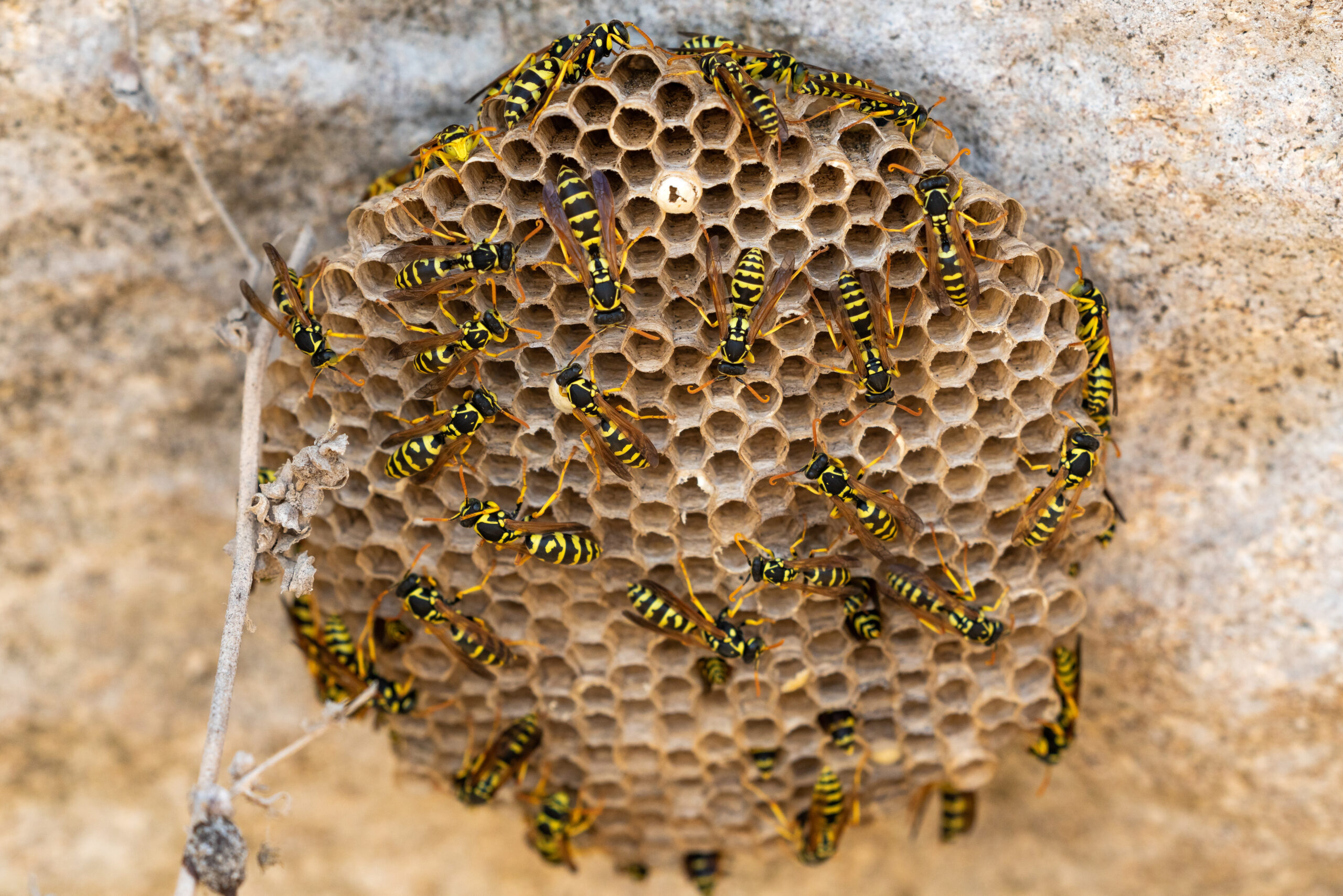
A honeybee typically leaves its barbed sting and attached venom apparatus behind in the skin. The bee dies after stinging. Wasps generally retain their sting, which means they can potentially sting more than once.
This difference matters for first aid because a retained bee sting should be removed as quickly as possible. (Healthdirect)
First Aid for a Bee Sting
If the person has no signs of a serious allergic reaction, first aid is relatively straightforward.
Move away from the insects to avoid further stings and check the affected area. If you can see a bee sting remaining in the skin, remove it promptly.
ANZCOR recommends removing the sting as quickly as possible without compressing the venom sac, for example by scraping it out. Healthdirect recommends carefully scraping it out with the edge of a fingernail or something similar to a credit card.
Once the sting has been removed, wash the affected area with soap and water. Apply a cold pack wrapped in a cloth rather than placing ice directly against the skin. Healthdirect recommends applying the wrapped ice pack for around 15 minutes to help reduce pain.
Continue to observe the person. This is particularly important if they have a known insect allergy or begin developing symptoms away from the immediate sting site.
What About a Wasp Sting?
The basic first aid treatment for an uncomplicated wasp sting is similar, with one obvious difference: there usually isn’t a sting to remove.
Move away from the area, particularly if a nest has been disturbed, because a wasp may sting repeatedly. Wash the affected skin and use a wrapped cold pack to help manage pain and swelling.
Avoid scratching the site, even when it becomes itchy. Broken skin can increase the opportunity for infection.
If pain or itching is troublesome, a pharmacist can advise on appropriate over-the-counter treatments such as pain relief or antihistamines. This is preferable to treating every sting with whatever happens to be in the bathroom cabinet.
How Much Bee Sting Swelling Is Normal?
This is often where people become uncertain.
Redness, pain, itching and swelling around the sting are common. Most bee and wasp stings improve without serious complications, although the affected area can remain red and swollen for a few days.
Some people develop what is known as a large local reaction. Healthdirect describes this as swelling greater than 10 centimetres around the sting. That can look dramatic, particularly when a hand, foot or limb is involved, but a large local reaction is not automatically the same thing as anaphylaxis.
The location of the sting also matters. A sting in the mouth or around the face, neck or eye warrants medical attention because local swelling in these areas can create additional problems.
Seek medical advice when swelling is extensive, symptoms are worsening rather than settling, the area appears infected or you are otherwise concerned about the reaction.
When a Bee or Wasp Sting Becomes Anaphylaxis
The most important first aid skill around insect stings is recognising when the situation has moved beyond an ordinary local reaction.
Anaphylaxis is a medical emergency.
According to ASCIA, signs of anaphylaxis can include difficult or noisy breathing, swelling of the tongue, swelling or tightness in the throat, wheezing or a persistent cough, difficulty talking or a hoarse voice, persistent dizziness or collapse. A young child may become pale and floppy.
There is an important additional warning for bee and wasp stings: abdominal pain and vomiting are considered signs of anaphylaxis in someone with an insect allergy. (Allergy Australia)
Don’t wait for every symptom on a checklist to appear. Any one of the recognised signs can indicate anaphylaxis.
And don’t rely on a rash as your deciding factor. Anaphylaxis can occur without obvious skin symptoms.

What Should You Do for Anaphylaxis After a Sting?
If the person has an ASCIA Action Plan for Anaphylaxis, follow it.
ASCIA advises laying the person flat and not allowing them to stand or walk. If breathing is difficult, they may sit with their legs outstretched. If the person is unconscious or pregnant, place them in the recovery position; a pregnant person should be positioned on their left side.
Give the person’s adrenaline device immediately. Then call Triple Zero (000) for an ambulance.
If there is no response, further adrenaline may be given after five minutes if another device is available. If the person becomes unresponsive and is not breathing normally, commence CPR.
One of the most dangerous responses to suspected anaphylaxis is delaying adrenaline while waiting to see whether the reaction becomes worse. ASCIA’s advice is clear: if in doubt, give the adrenaline device.
Don't Ask Someone With Anaphylaxis to Walk
This point deserves particular attention because it can be overlooked during the rush of an emergency.
Someone experiencing anaphylaxis should not be told to stand up and walk to the car, ambulance, first aid room or another location.
ASCIA recommends keeping the person flat. Sudden standing or walking can be dangerous during anaphylaxis because of the effects the reaction can have on circulation and blood pressure.
If the person is struggling to breathe, they can sit with their legs outstretched, but they should not stand or walk.
Knowing details such as this is one reason practical first aid training matters. An emergency is a difficult time to discover that the first aid advice you remember is incomplete or out of date.

What If There Are Multiple Bee or Wasp Stings?
One sting and dozens of stings are not the same first aid situation.
Multiple stings can cause severe pain and widespread skin reactions, while multiple stings around the face can cause significant local swelling and breathing difficulties even in someone who is not known to have an insect allergy.
Healthdirect recommends prompt medical assessment if a child has five or more bee or wasp stings or an adult has ten or more.
If someone has been attacked by a swarm or repeatedly stung, move them to safety as quickly as possible and seek medical assistance rather than simply treating each sting as an isolated minor injury.
When Should You Seek Medical Help?
Anaphylaxis requires an immediate Triple Zero (000) call, but there are other circumstances where professional assessment is sensible.
Seek medical attention for stings in or around the mouth, eye, face or neck; multiple stings; worsening or unusually extensive swelling; or signs that the area may have become infected.
Infection tends to develop later rather than immediately after the sting. Increasing warmth, redness, tenderness or worsening symptoms over the following days should be assessed by a healthcare professional.
Someone who has previously experienced a severe reaction to an insect sting should also follow the medical advice and allergy management plan provided by their doctor or allergy specialist.
Common Bee and Wasp Sting First Aid Mistakes
1. Focusing on the sting instead of the person
Removing a retained bee sting matters, but recognising anaphylaxis matters much more. If the casualty develops breathing difficulty, throat or tongue swelling, persistent dizziness or collapse, your priority has changed.
2. Assuming severe swelling always means anaphylaxis
A large local reaction can cause extensive swelling around the sting without the breathing or circulation problems associated with anaphylaxis.
3. Waiting for hives or a rash
Anaphylaxis can occur without obvious hives or a rash. Do not dismiss breathing difficulty, throat swelling, dizziness or collapse simply because the skin looks normal.
4. Letting someone with suspected anaphylaxis stand or walk
A person with suspected anaphylaxis should not be allowed to stand or walk around. Keep them positioned appropriately while emergency treatment is given and help is called.
The most dangerous mistake: delaying adrenaline
If symptoms indicate anaphylaxis, do not wait for them to become unmistakable. Give adrenaline when indicated and call Triple Zero (000).
Reducing the Risk of Stings This Spring and Summer
You don’t need to spend Melbourne’s warmer months avoiding gardens and outdoor meals, but a few precautions can reduce unnecessary encounters.
Wear shoes outside, particularly when walking through grass or gardens. Keep food and drinks covered when eating outdoors, clean up sweet or sticky spills and be cautious when drinking from cans or bottles where an insect could go unnoticed.
Avoid disturbing bee or wasp nests. If a nest needs to be removed from around your home or workplace, use an appropriate professional rather than attempting to remove it yourself.
People with a diagnosed insect allergy should follow the individual advice provided by their healthcare professional, carry prescribed adrenaline devices and ensure the people around them know where those devices are kept and how to respond in an emergency.

First Aid Training Turns Knowledge Into Action
Reading about bee sting treatment is useful. Responding confidently when a friend, colleague or family member suddenly cannot breathe is something else entirely.
Recognised first aid training gives you the opportunity to learn and practise the broader emergency response: assessing a casualty, recognising anaphylaxis, using an adrenaline device, calling for emergency assistance and commencing CPR when required.
At First Aid Pro Melbourne, nationally recognised first aid courses provide practical training for the kinds of emergencies that can happen at home, at work and in the community.
You may never need to manage a severe allergic reaction. But if you do, knowing what to look for and what to do next can remove dangerous hesitation from those first critical minutes.
Related Reading
Healthdirect – Bee and wasp stings
Allergy.org.au – ASCIA First Aid Plan for Anaphylaxis
First Aid Pro – Free First Aid Charts – Bites and Stings
FAQs
What is the best first aid for a bee sting?
If there are no signs of anaphylaxis, remove a visible bee sting promptly without compressing the venom sac, wash the area with soap and water and apply a wrapped cold pack to help reduce pain and swelling. Continue to watch for signs of an allergic reaction.
. How long does swelling from a bee or wasp sting last?
Local redness and swelling may remain for a few days. Some people develop a much larger local reaction. Seek medical advice if symptoms are severe, continue to worsen, do not improve as expected or show signs of infection.
Does a wasp leave its sting behind?
Usually not. Unlike a honeybee, a wasp generally retains its sting and can sting more than once. If you have been stung by a wasp, moving away from the insect or nest can therefore help prevent additional stings.
How do I know if a bee sting is causing anaphylaxis?
Warning signs include difficult or noisy breathing, tongue or throat swelling, wheezing or persistent coughing, difficulty talking, persistent dizziness or collapse. With insect allergy, abdominal pain or vomiting can also indicate anaphylaxis. Give adrenaline immediately when indicated and call Triple Zero (000).
Can you suddenly become allergic to bee or wasp stings?
An allergic reaction can occur even when previous stings have not caused the same response. Never dismiss new symptoms simply because the person has been stung before without serious consequences. Anyone who experiences a significant allergic reaction should seek medical assessment and advice about future sting management.